This is a demo store. No orders will be fulfilled.


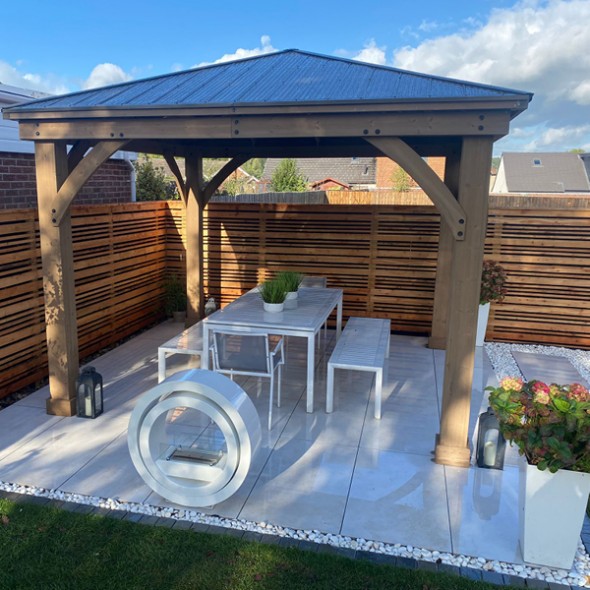
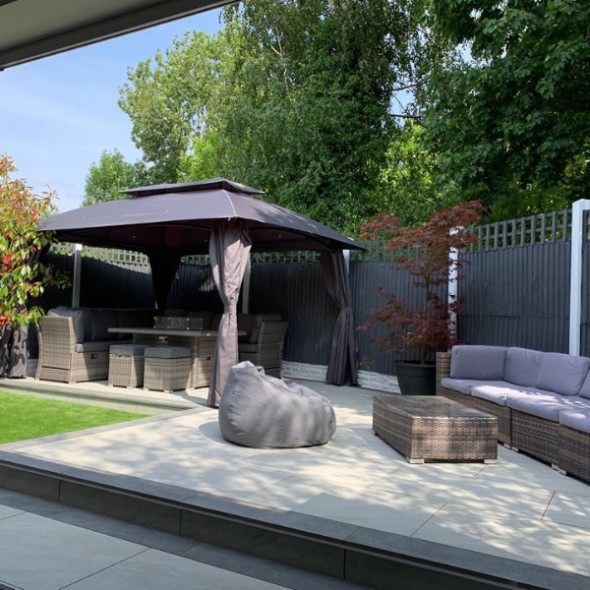
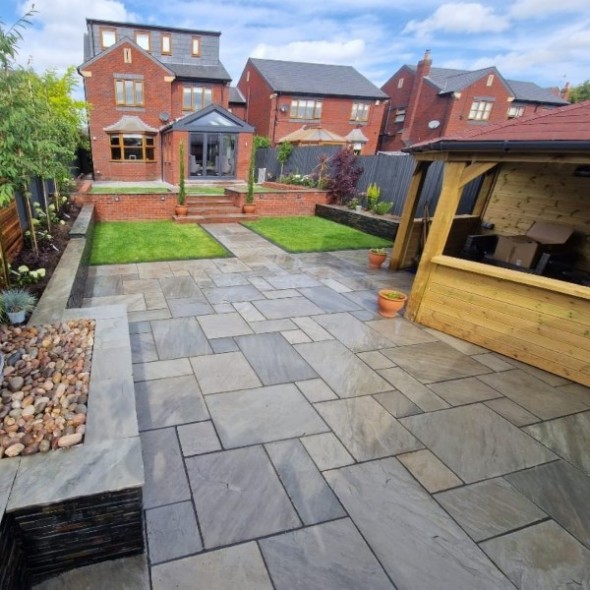
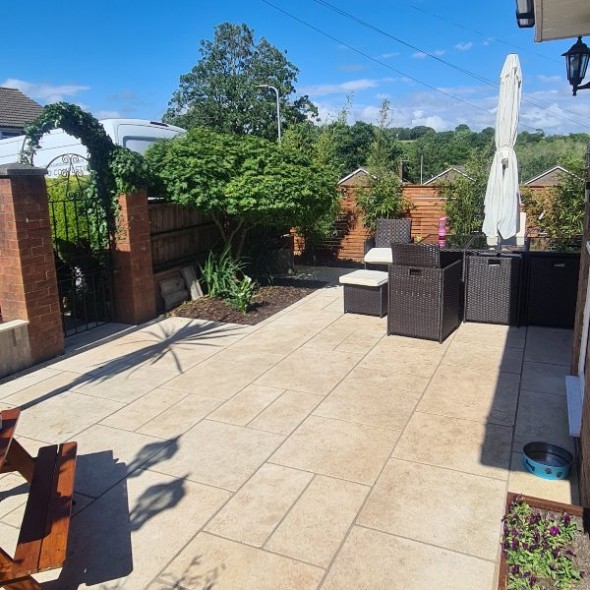
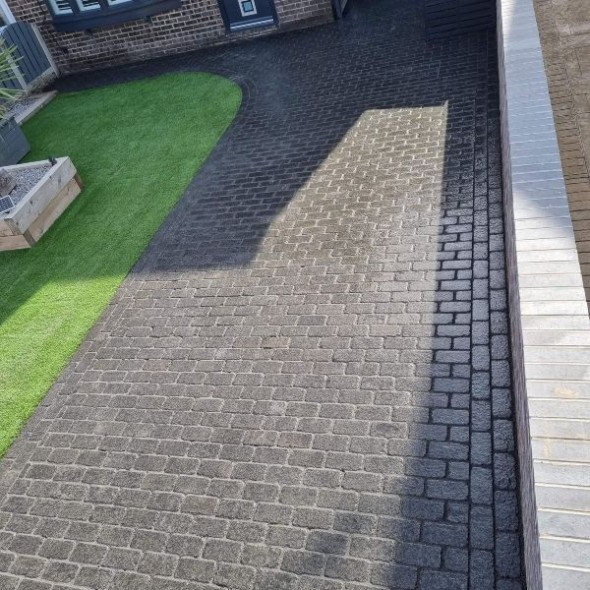
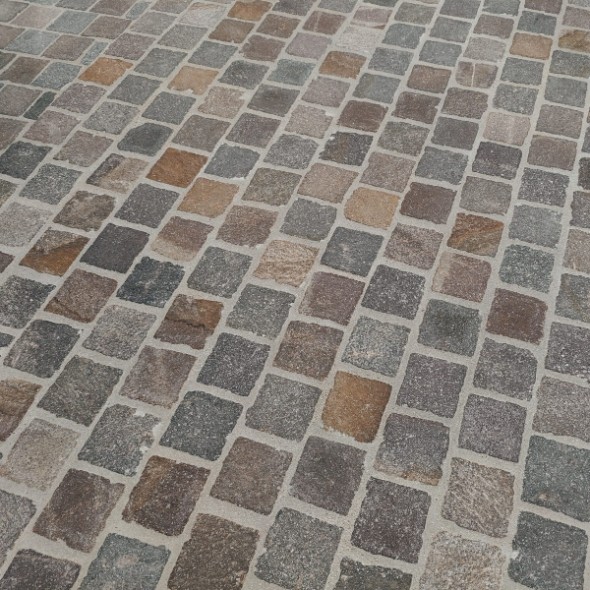
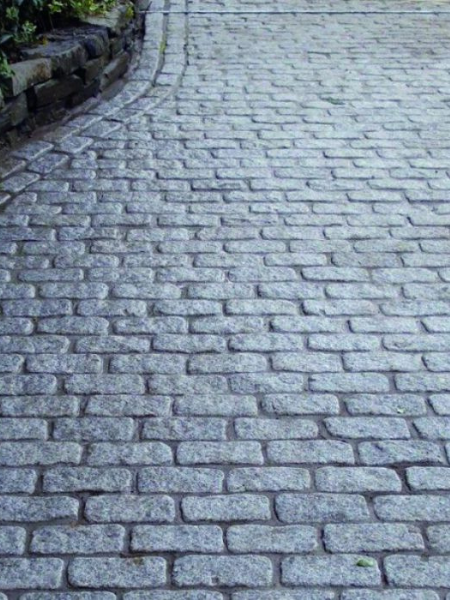
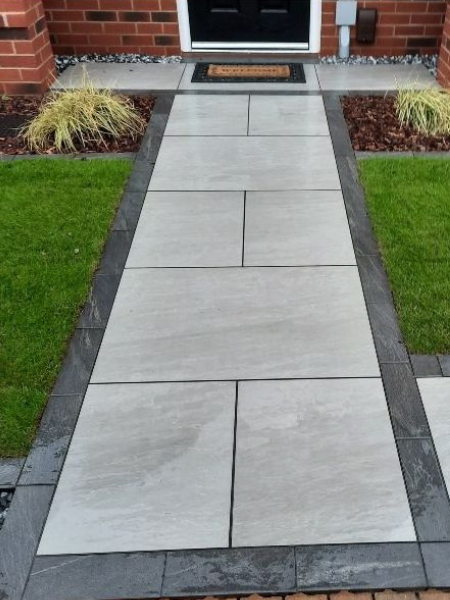
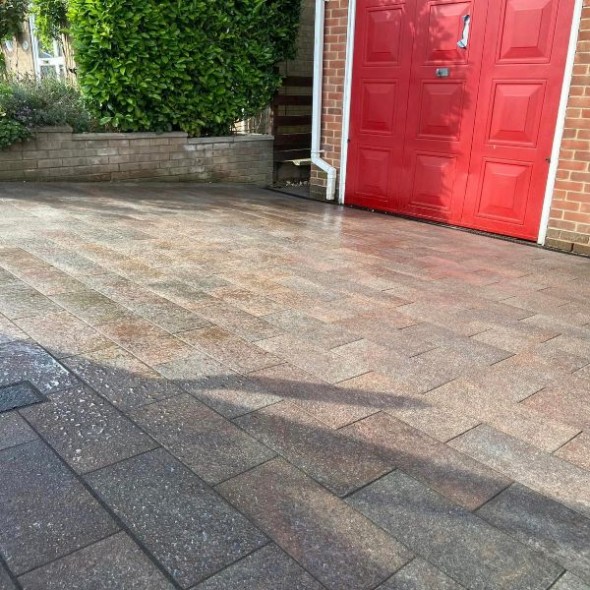
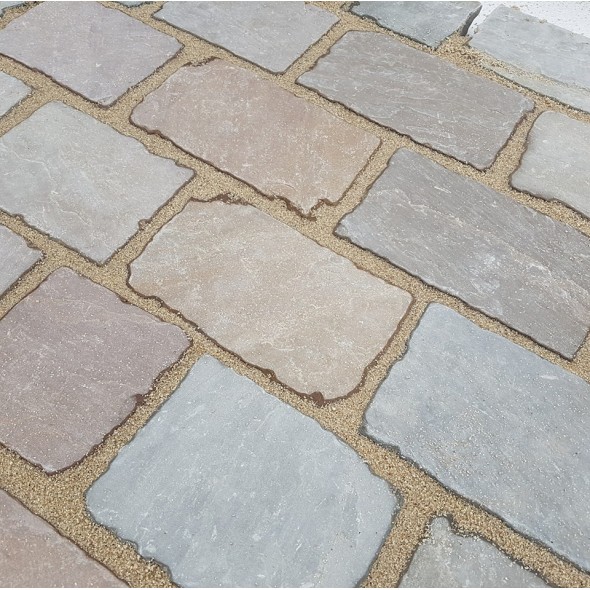
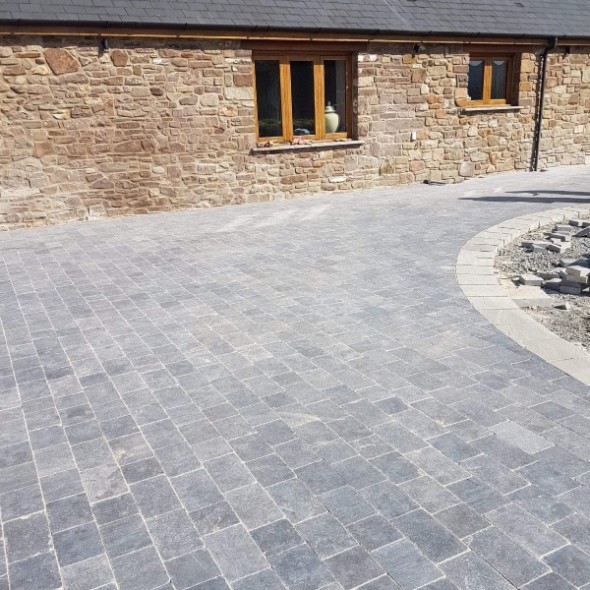
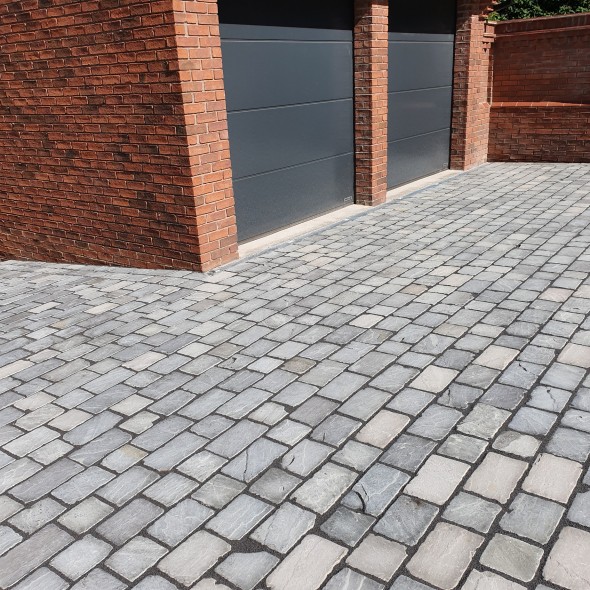
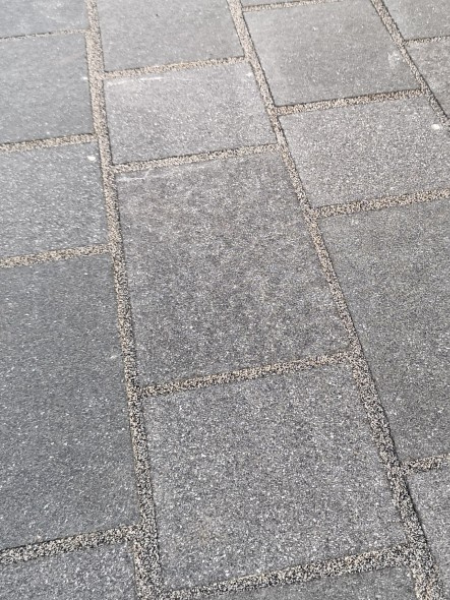
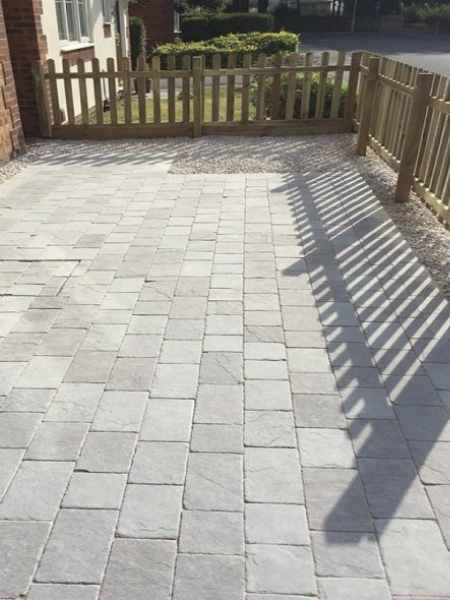
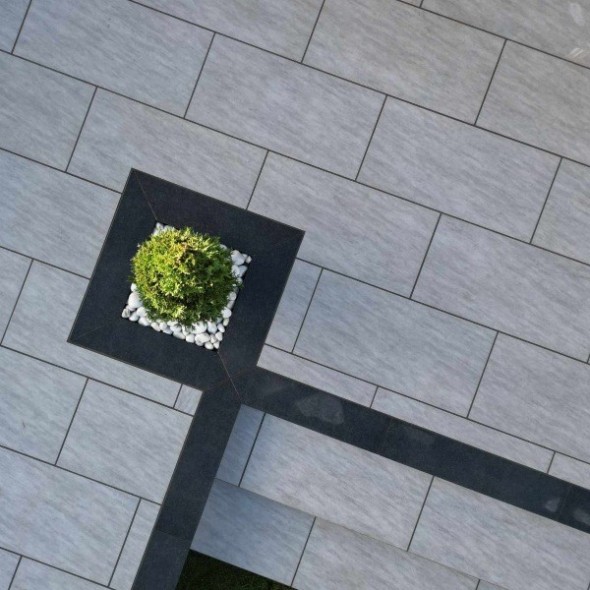
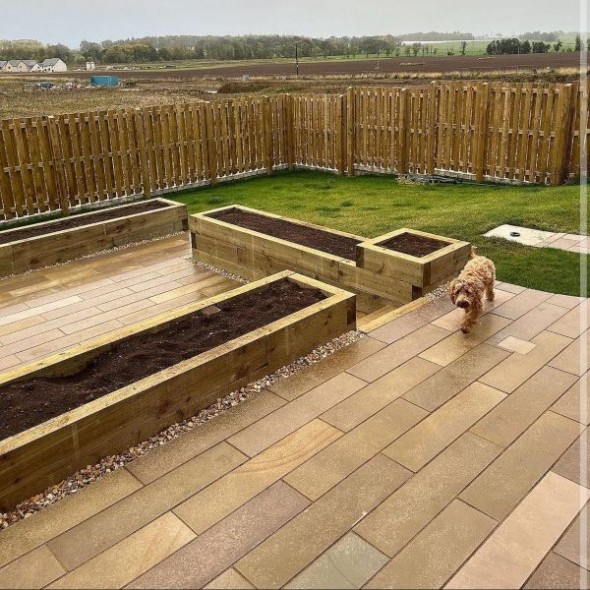
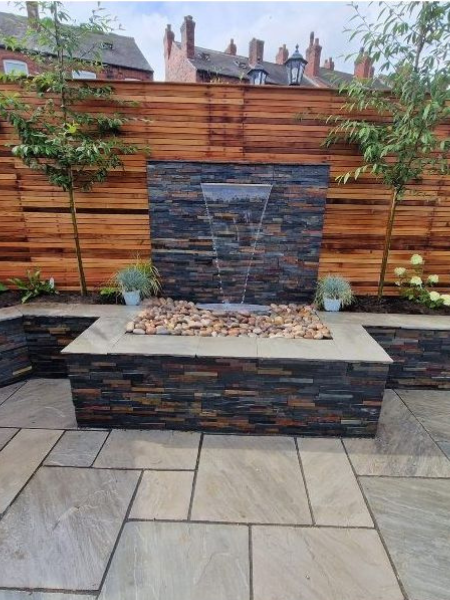
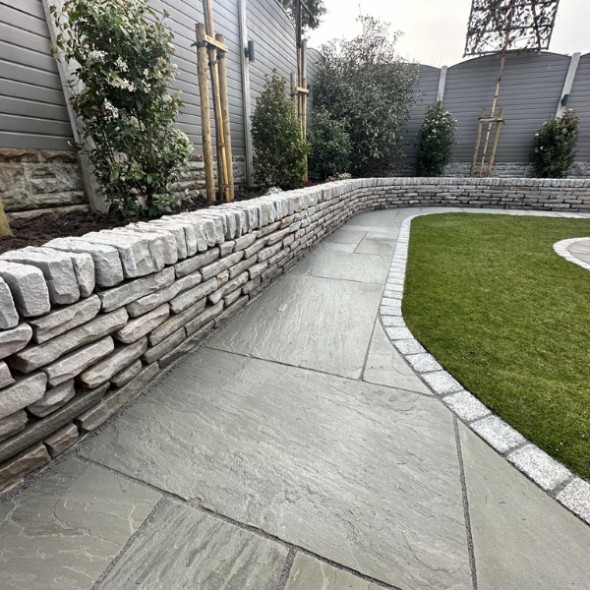
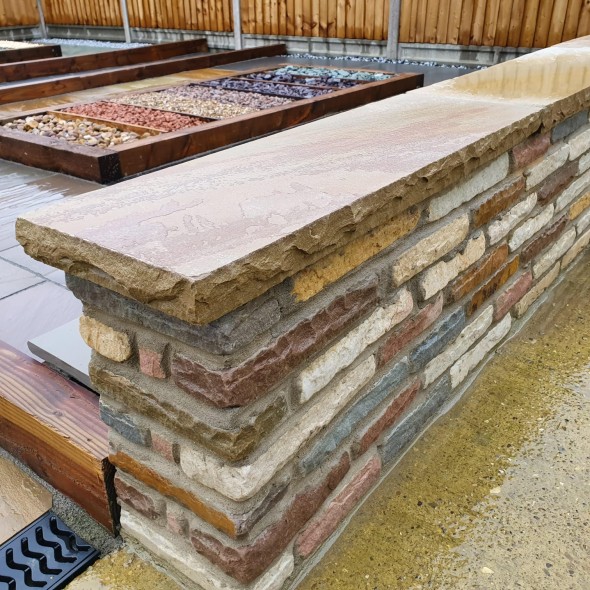
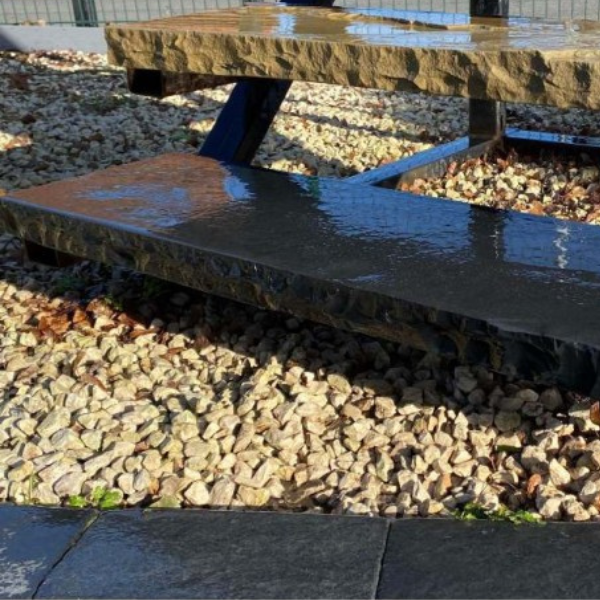

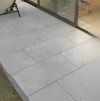
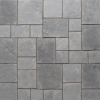
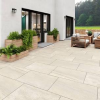
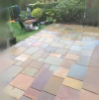
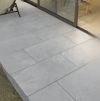
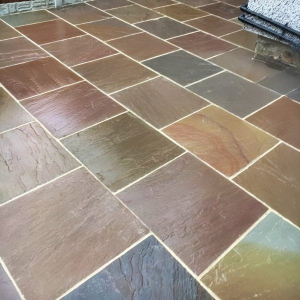
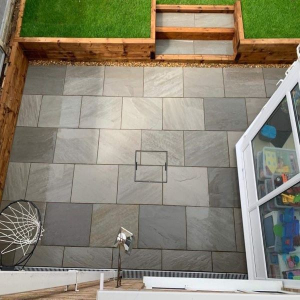
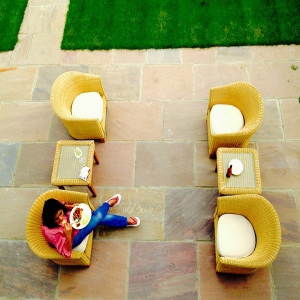
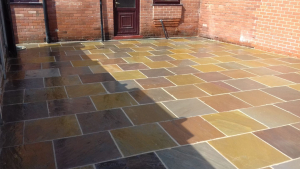



Indian Sandstone in Highlight
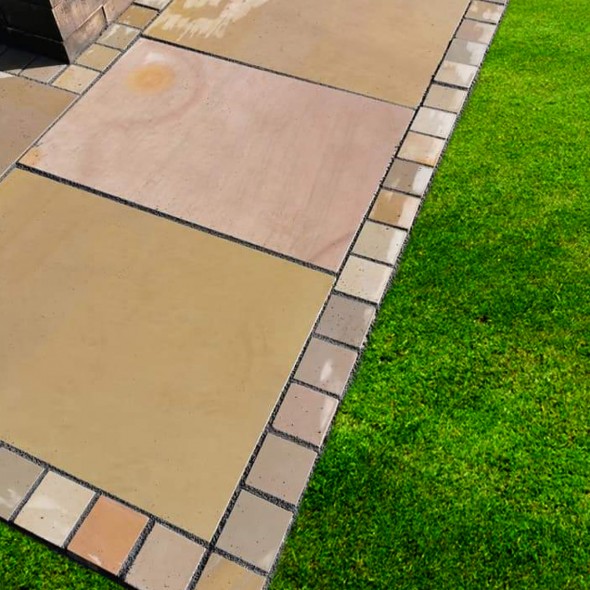
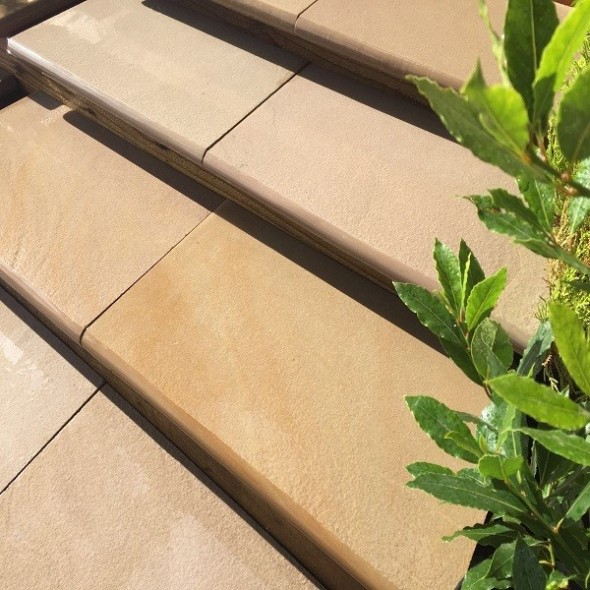
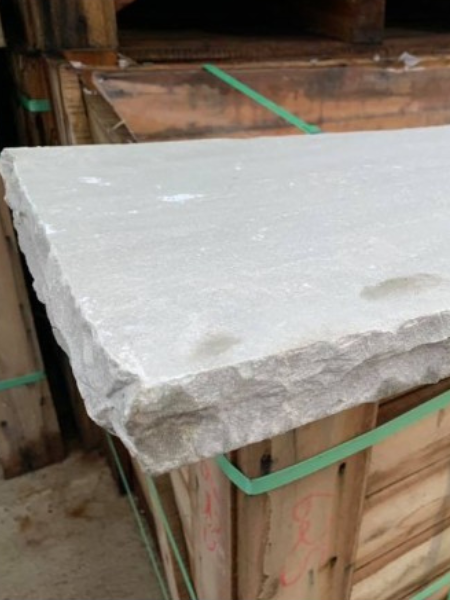
- Warm, natural riven finish for classic patios
- Durable Indian sandstone slabs for everyday garden use
- Natural grip underfoot when kept clean and maintained
- Wide choice of Indian sandstone colours and blends
- Mixed size and single size packs to suit any layout
- Suitable for breathable sealants to reduce staining and algae
Indian Stone Garden Slabs
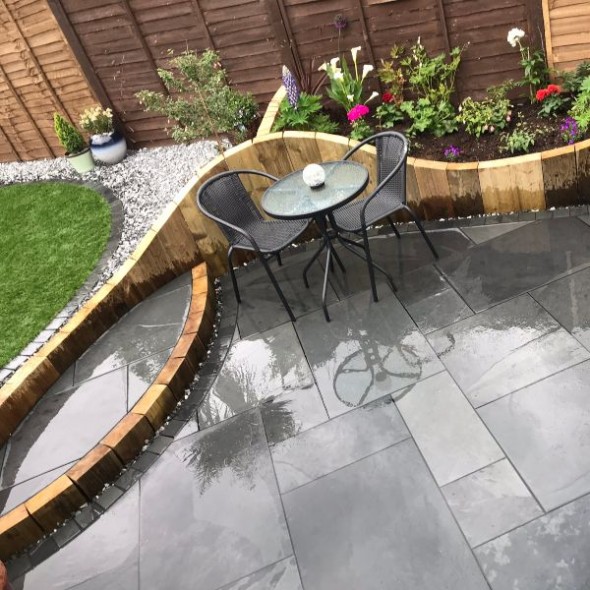
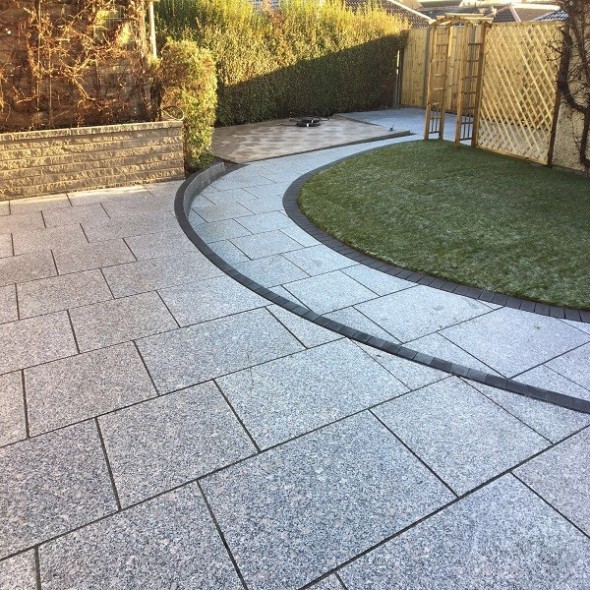
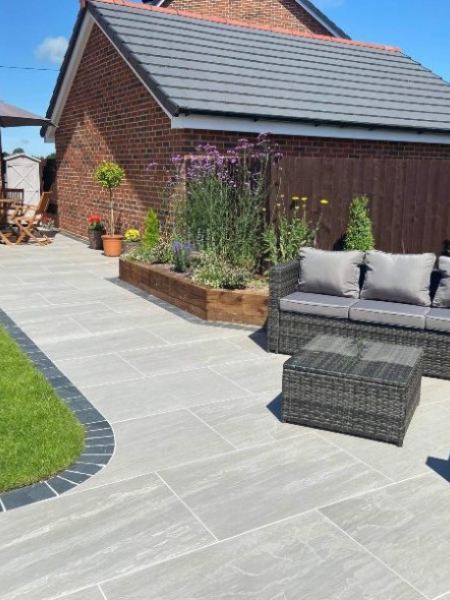
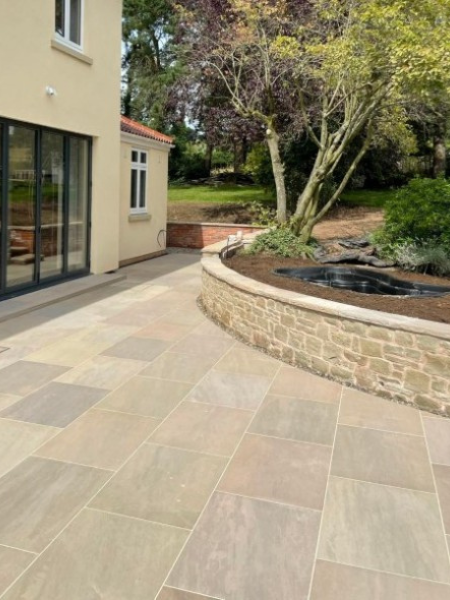
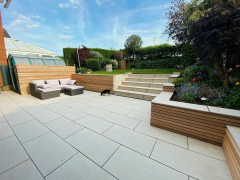
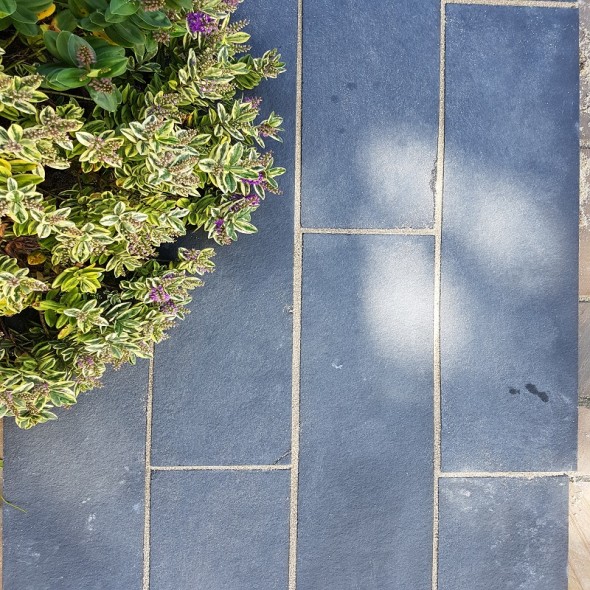
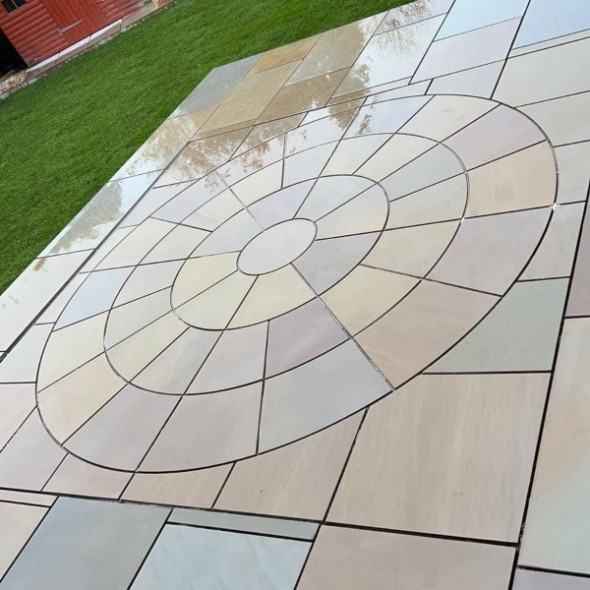
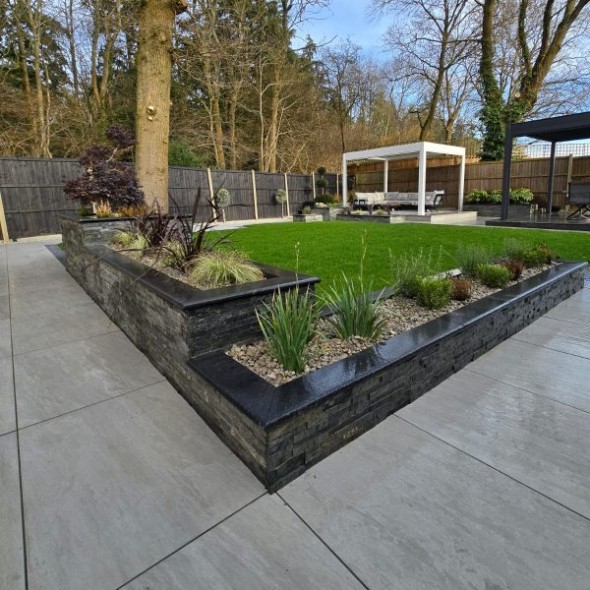
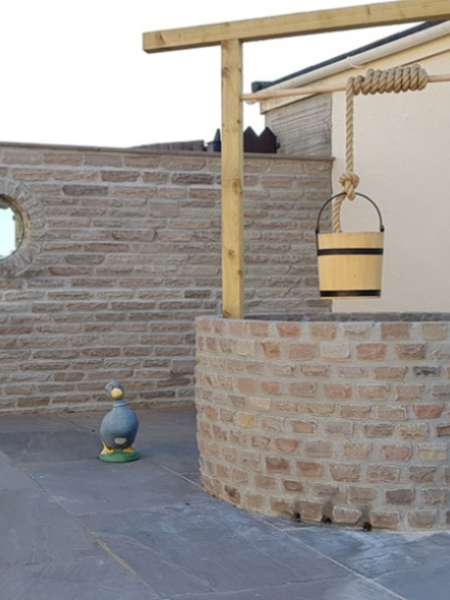
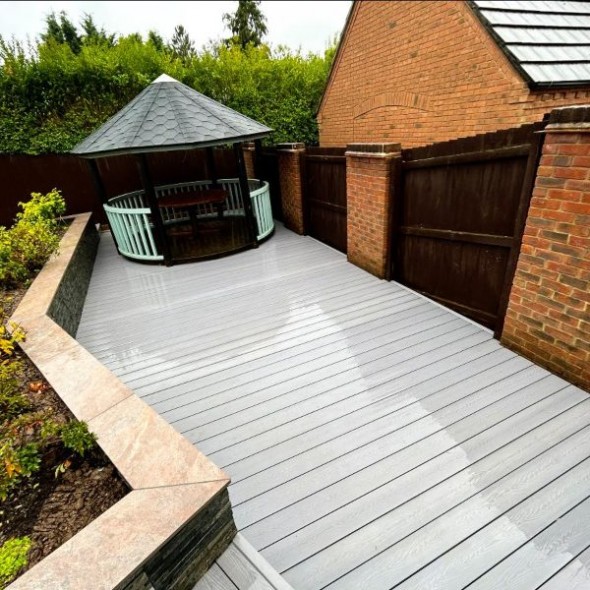
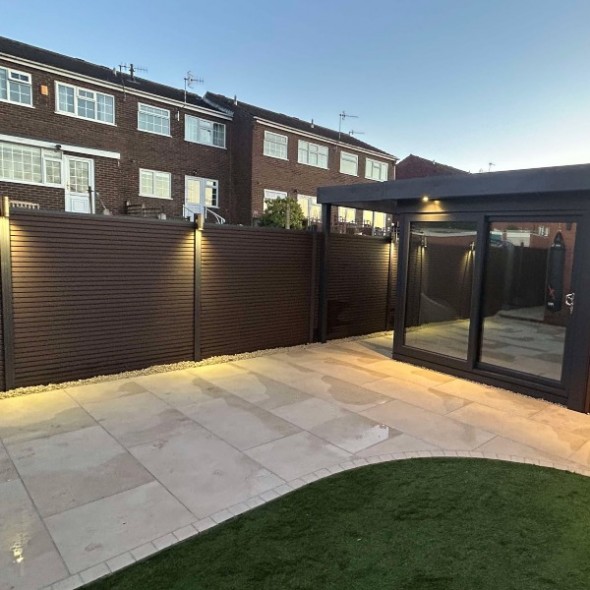
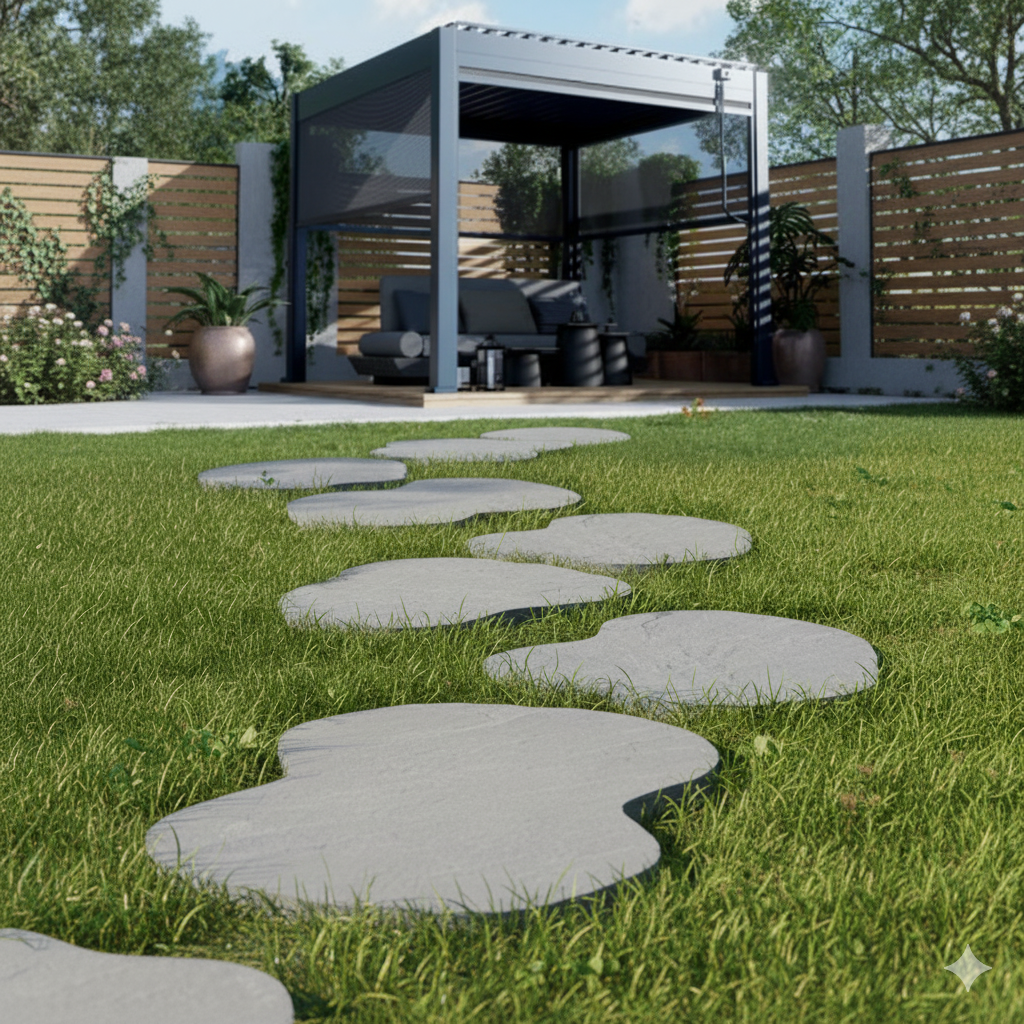
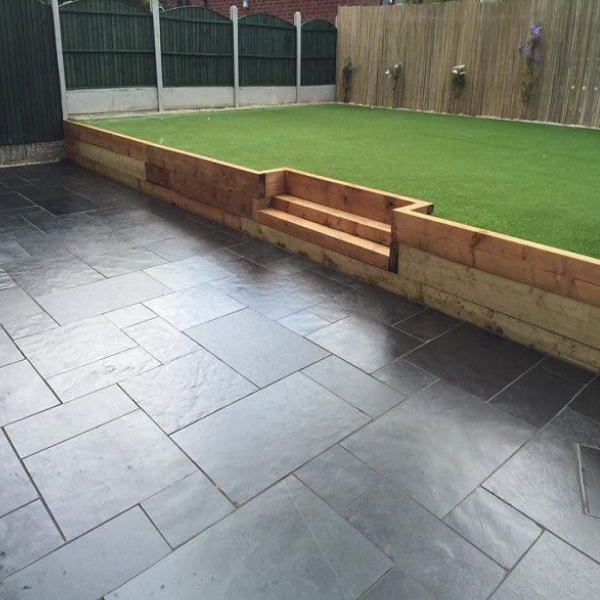
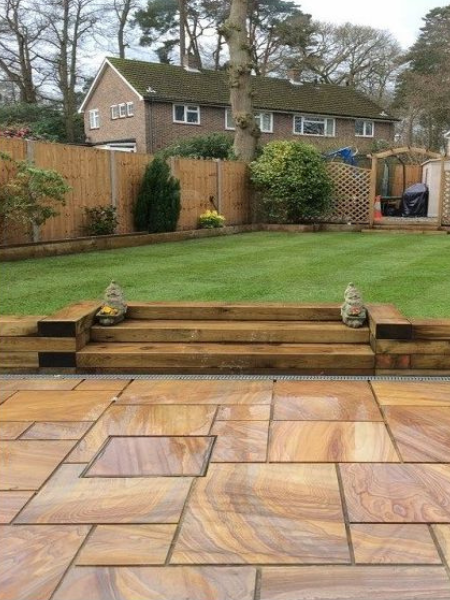
Indian sandstone garden slabs bring character and warmth to any outdoor space. The riven surface and subtle variations in tone help each flag sit naturally within a garden, softening the transition between paving, lawn and planting. Mixed size patio packs create a traditional, random layout, while single size slabs give a calmer, more structured design. Because each slab has its own markings and veining, no two patios ever look the same. Colours range from cool greys and silvers to rich buffs and browns, so it is easy to find something that complements your brickwork or planting. Larger flags such as 900 x 600 open out the space, while smaller 600 x 600 slabs suit paths and tighter courtyards.
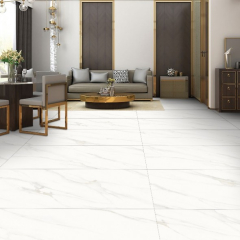
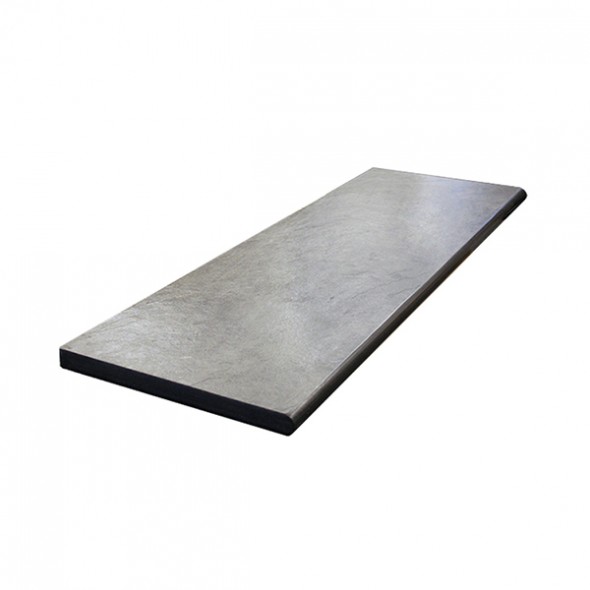
For a more modern twist, sawn and honed Indian sandstone slabs offer clean edges and a smooth feel, while hand cut, riven flags give a more traditional look. Both finishes share the same durability, so you can match the surface to your garden style rather than performance needs.
Is Indian Sandstone Good for Paving?
Indian sandstone is a dependable choice for patios, paths and terraces. It is tough enough for daily use, naturally textured for grip, and dense enough to handle the British climate. With a simple care routine, most patios can last for two or three decades.
What makes it stand out is the balance between natural beauty and practicality. The stone feels timeless yet unforced, with surface texture that gives gentle traction even when wet. Unlike man made alternatives, it weathers gracefully, developing softer tones that blend with the garden over time. Compared with budget concrete slabs, Indian sandstone gives a richer, more natural look. Against porcelain, it needs slightly more care but often comes at a lower cost per square metre and has a warmer, more organic finish that suits planting led designs.
How Long Does Indian Sandstone Paving Last?
Well maintained Indian sandstone paving can last 20 to 30 years or more. The stone itself is extremely durable; most ageing shows as surface weathering or colour change rather than structural wear. Regular sweeping, light washing and keeping joints clear are usually all that is required. A breathable sealer can further extend the life of the surface by limiting moisture absorption and staining.
Is Indian Sandstone Paving Expensive?
Indian sandstone paving sits in the middle of the paving price range. It is generally more affordable than porcelain or premium British stone, while offering better colour and texture than standard concrete flags. Prices vary by colour, finish and pack size, with mixed size patio packs often providing the best value.
When you consider its lifespan and low upkeep costs, Indian sandstone offers strong long term value. Once installed, maintenance is simple. Regular cleaning and re sealing every few years are usually enough to keep the surface looking fresh.
Indian Sandstone Colours and Sizes
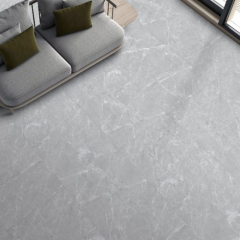
Indian sandstone paving comes in a wide palette of natural shades. Raj Green and Autumn Brown bring classic, earthy tones that work well with traditional homes. Kandla Grey and Silver Grey offer a cooler, more contemporary look, while Fossil Mint, Rippon Buff and Rainbow sandstone introduce vibrant mixes of gold, cream and copper.
Slabs are available in mixed size patio packs or single sizes such as 900 x 600, 600 x 600 and 600 x 290. Mixed packs create a random layout ideal for larger spaces; single sizes give a clean, uniform pattern that suits modern designs. Most packs are calibrated to a consistent thickness, which makes them easier to lay and helps keep joints even across the patio.
Indian Sandstone Care and Sealing
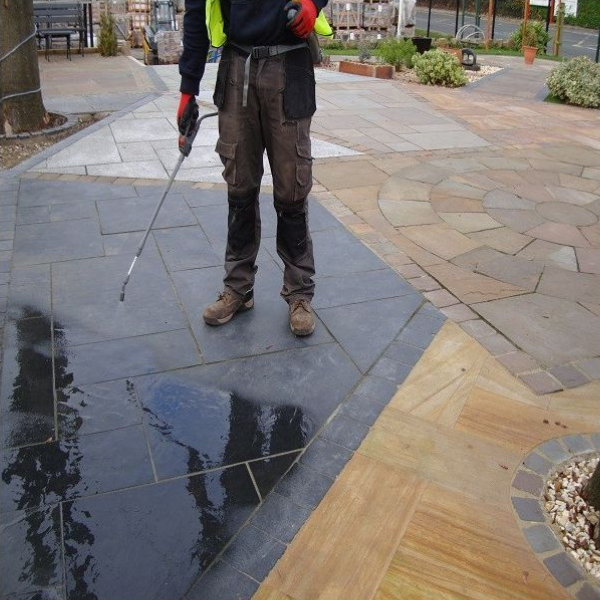
Looking after Indian sandstone is straightforward. Sweep regularly to clear debris and wash occasionally with clean water or a mild patio cleaner. In shaded or damp areas, keep joints tidy and nearby plants trimmed to improve airflow and reduce algae growth.
Sealing is optional but beneficial. A breathable sandstone sealer limits how much moisture and dirt the stone absorbs, helping prevent marks and making cleaning easier. It also slows down fading, especially on lighter shades. Re seal every few years for best results, using products specifically formulated for natural stone.
Paving Options
Indian sandstone paving is available in several finishes and formats. Hand cut, riven slabs have gently uneven surfaces and edges for a traditional appearance. Tumbled sandstone softens the edges further, giving a time worn effect that suits period properties. Sawn and honed sandstone provides straight edges and a smoother feel for a more refined, contemporary finish.
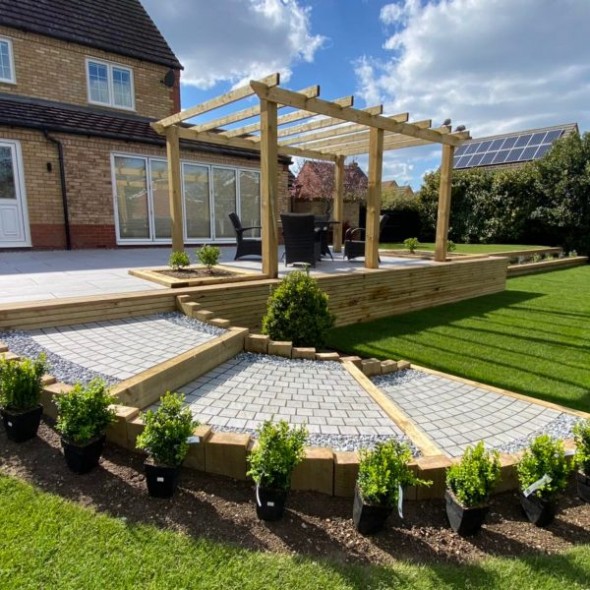
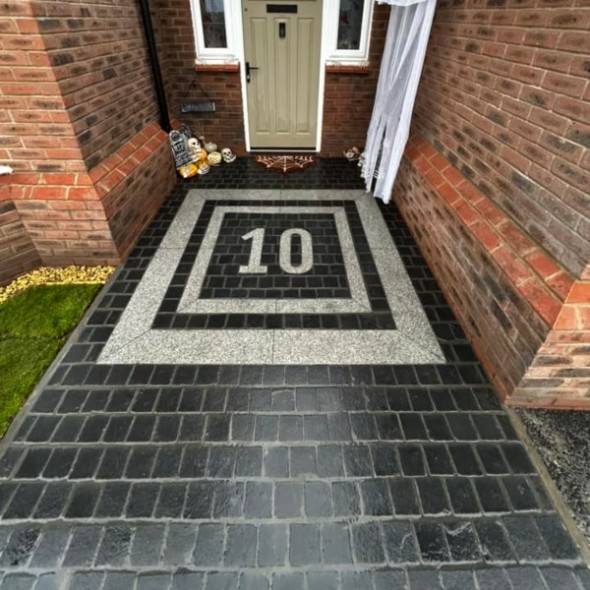
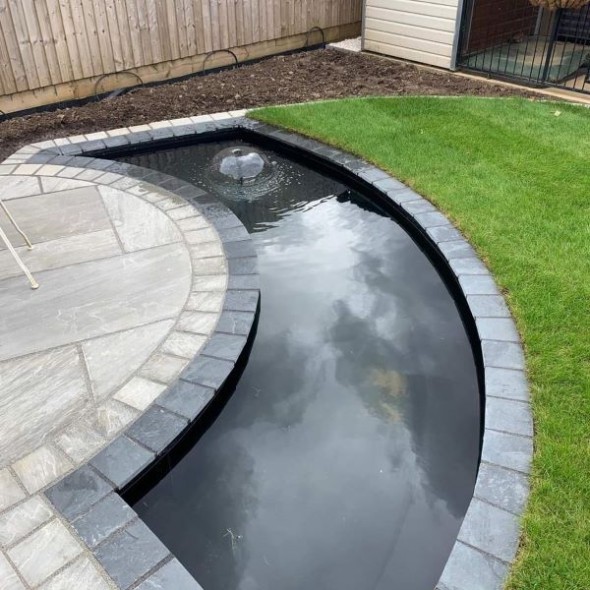
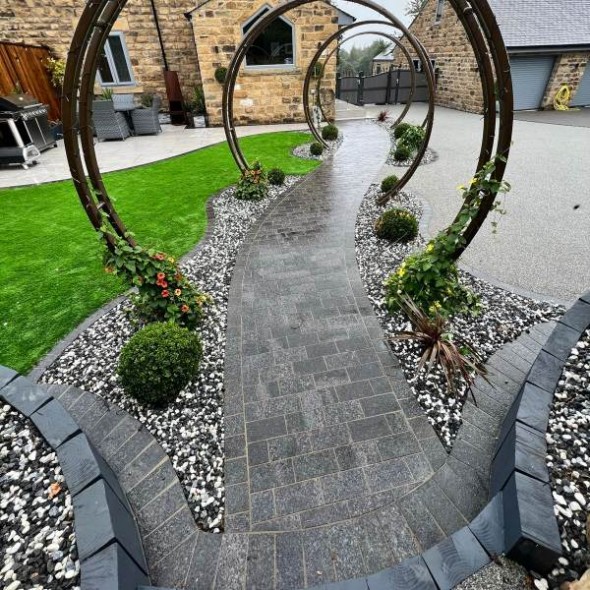
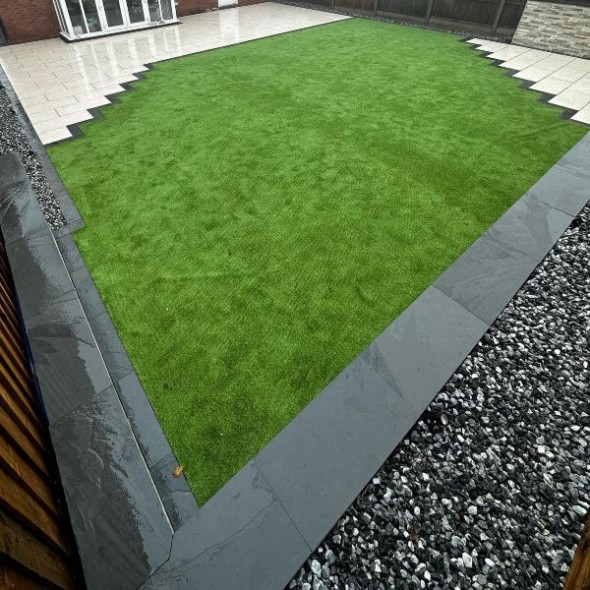
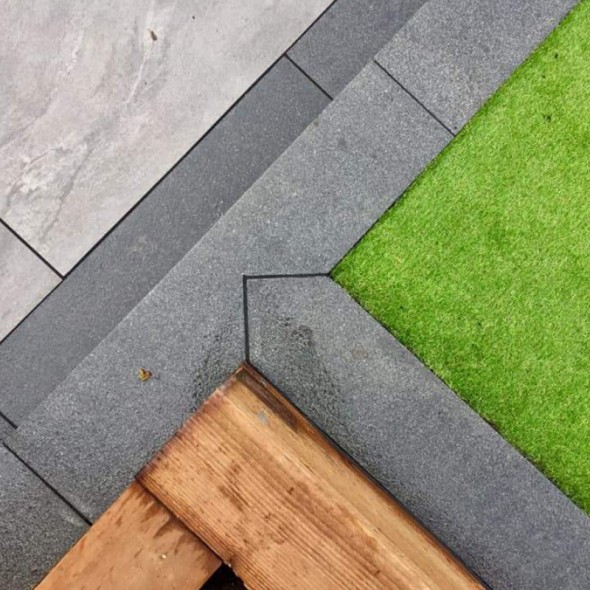
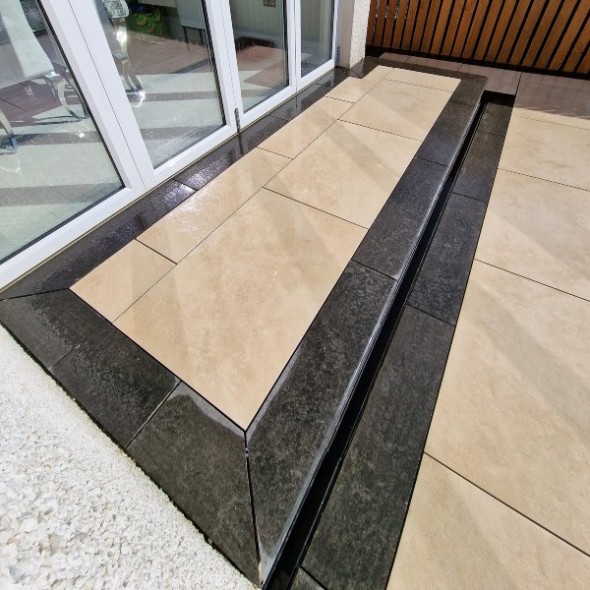
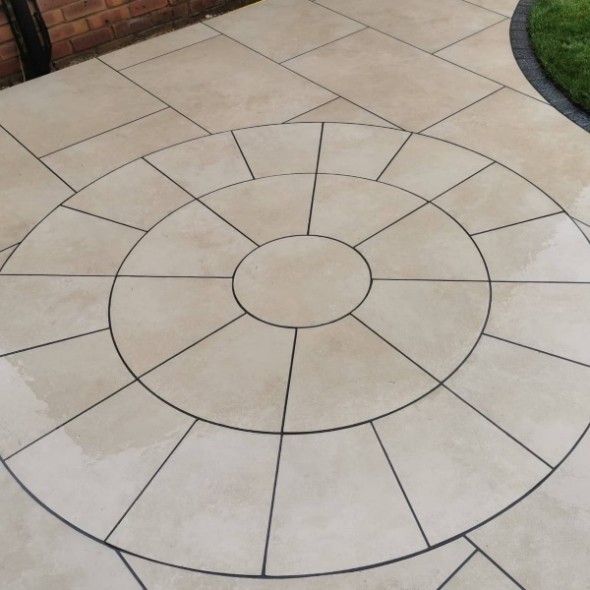
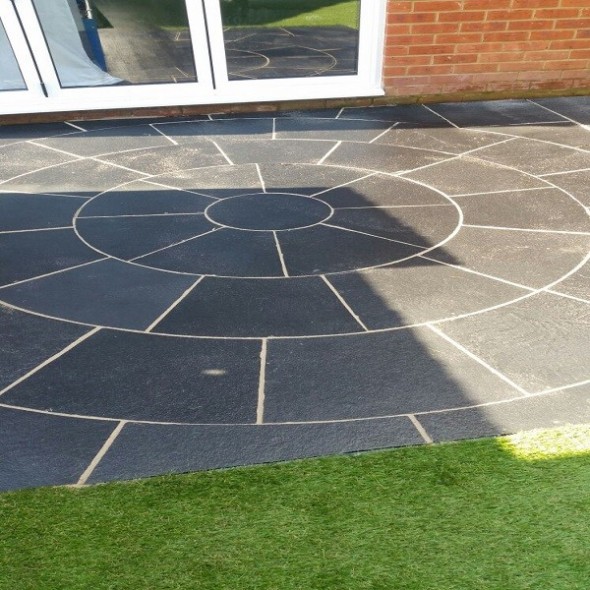
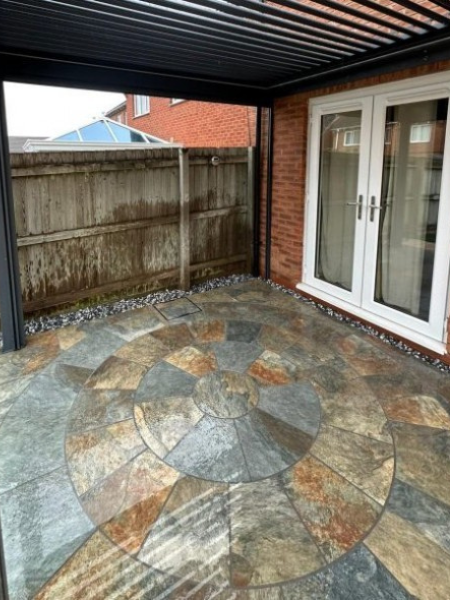
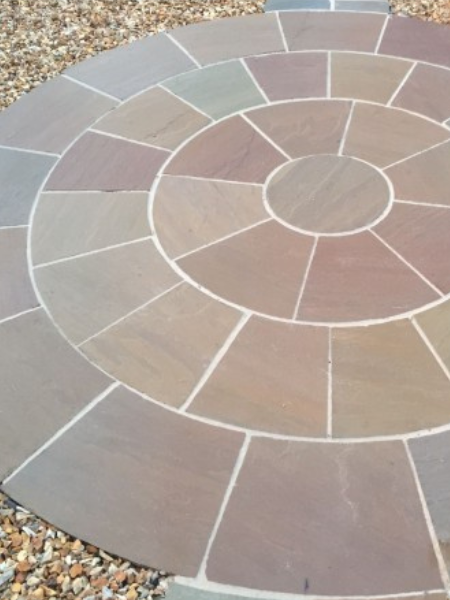
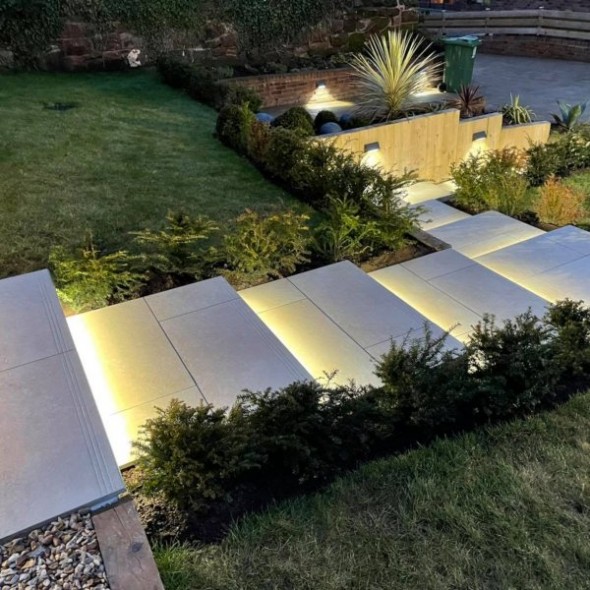
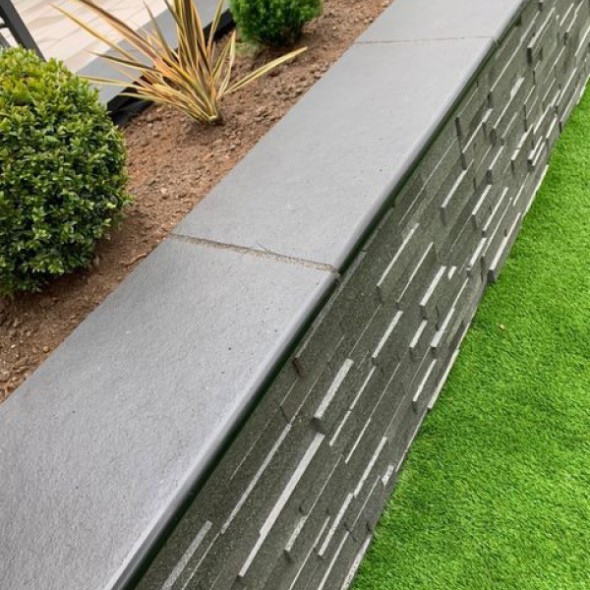
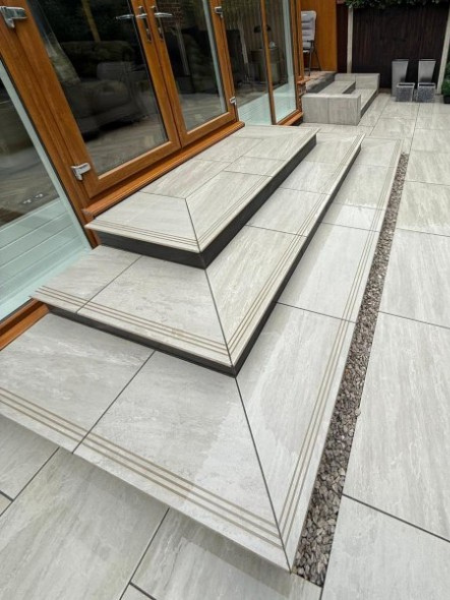
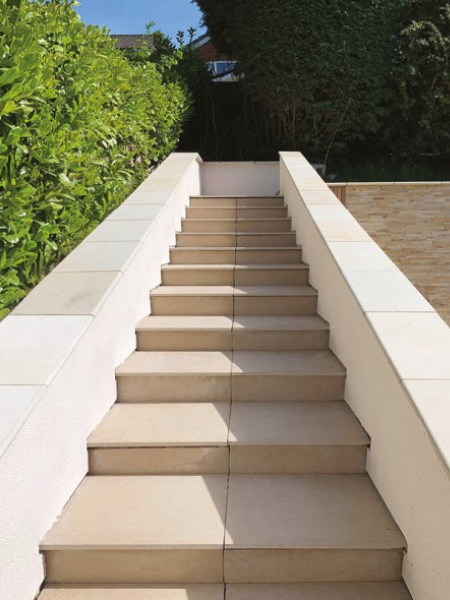
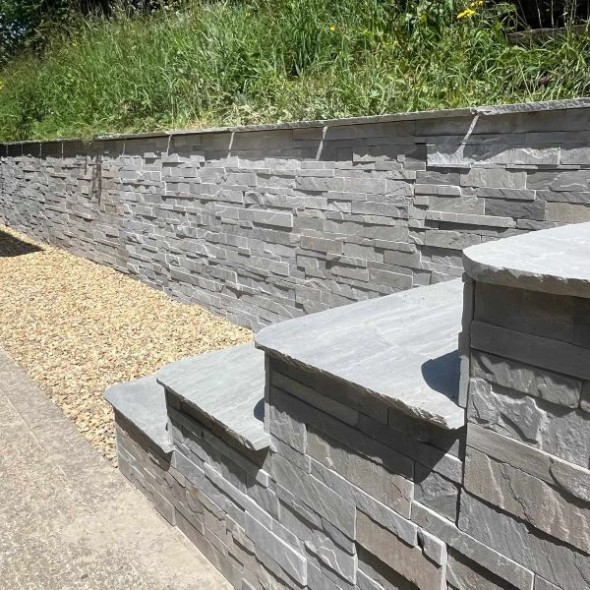
Many ranges also include matching accessories such as steps, circle kits and edging setts, allowing you to design a complete garden layout with consistent colour and texture. Pairing a main patio in one colour with contrasting borders or steps adds subtle definition without overwhelming the space.
Why Paving Stones Direct
At Paving Stones Direct, we stock a wide choice of Indian sandstone paving slabs in a variety of colours, finishes and sizes, along with matching features and care products. Whether you are updating a small patio or designing a full garden layout, our team can help you find the right look for your home.
For more information about our Indian Sandstone range or for guidance on choosing paving slabs, call 0333 321 5091 or email sales@pavingstones.co.uk. We are here to help you create an outdoor space that is practical, durable and designed to last.